


How to Prevent Overheating in Heavy-Duty Diesel Engines
The engine cooling system is critical for heavy-duty machinery, trucks, and industrial diesel engines, as it ensures stable engine temperatures under heavy workloads and harsh conditions.
In industrial environments—such as mining sites, construction yards, and long-haul logistics—cooling system failure is a leading cause of unexpected downtime, costly repairs, and reduced operational efficiency.
1. Monitor Coolant Levels Regularly
One of the most common causes of overheating is slow coolant loss that operators fail to notice. Vibration and high load often loosen hose clamps, leading to small, continuous leaks.
Check coolant levels every 1–2 weeks.
Inspect the system when the engine is cold.
Do not rely solely on dashboard warning lights.
Example: Excavators operating in quarries can overheat due to minor leaks that go undetected during continuous operation.
2. Replace Coolant Before It Degrades
Coolant gradually loses its effectiveness due to oxidation, contamination, and thermal stress. Old or degraded coolant can cause overheating, corrosion, and scaling inside the cooling system.
Replace coolant based on working hours, load conditions, and environmental factors.
Look for dark, cloudy appearance and rust in the expansion tank.
3. Keep Radiators Clean in Dusty Environments
Many industrial equipment overheating cases are not caused by engine failure, but by airflow restriction due to dust, debris, or oil mist.
Regularly clean radiator fins and remove debris.
Inspect for oil mist contamination or fiber blockage.
Real case: A wheel loader in a cement storage area repeatedly overheated because its radiator fins were blocked by fine dust, reducing cooling efficiency by over 40%.
4. Prevent Internal Corrosion
Corrosion affects multiple components, including water pump housing, aluminum radiator tubes, and internal cooling passages. Mixing incompatible coolant types, using tap water, or delaying maintenance can accelerate damage.
Inspect water pumps and radiator tubes for corrosion.
Ensure proper coolant type and replacement intervals.
5. Winter Cooling System Protection
Improper coolant concentration in cold conditions can lead to freezing, startup failure, and hose damage.
Verify coolant concentration before cold seasons.
Check hoses for stiffness, cracks, or swelling.
6. Monitor Temperature as an Early Warning
Cooling system failures often develop gradually. Monitoring engine temperature can prevent severe breakdowns.
Track gradual temperature increases during operation.
Observe cooling rate after engine shutdown.
Check for frequent fan activation under light load.
7. Inspect Water Pumps and Hoses
Components degrade over time due to high load and thermal stress. Timely inspection helps avoid sudden failures.
Listen for vibration or noise in water pumps.
Check hoses for swelling, hardening, or leaks.
Replace aging or damaged components promptly.
8. Use High-Quality Coolant
Coolant is not just a fluid—it protects the entire engine from corrosion, overheating, and scale formation.
Ensure corrosion protection at high temperatures.
Maintain stable heat transfer performance.
Prevent scale buildup inside the system.
Ensure compatibility with rubber hoses and seals.
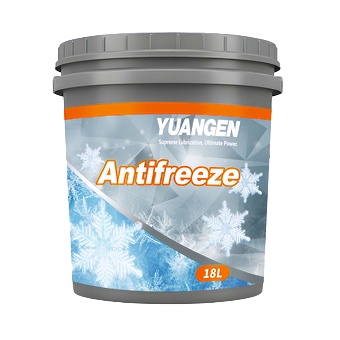
Recommended product: Yuangen Antifreeze -25℃ Heavy Duty Engine Coolant
Conclusion
Most cooling system failures are caused by long-term neglect rather than sudden breakdowns. Implementing the following practices significantly reduces downtime and maintenance costs:
Regular inspection and monitoring of coolant levels.
Timely replacement of degraded coolant.
Radiator cleaning in dusty or harsh environments.
Using high-quality, industrial-grade coolants.
Prompt response to early temperature changes and warning signs.